Straight-Line Wind and Severe Thunderstorm Roof Claims Outside Hurricane Season
Not every wind claim on a Southwest Louisiana commercial roof comes from a named storm. Gulf moisture feeds severe thunderstorm lines through this parish well outside hurricane season, and straight-line wind gusts from those systems can do the same kind of membrane and metal panel damage as a tropical system, just without the multi-day lead time to prepare. We document these claims the same way we document hurricane claims, thoroughly, but the deductible math and the claim timeline usually run differently.
Straight-Line Wind Versus Named-Storm Wind
Most commercial policies here apply a flat-dollar wind or all-perils deductible to a straight-line wind event, not the percentage-based named-storm deductible that applies during hurricane season. That's a meaningful difference for an owner, since the threshold for a claim to make financial sense is usually lower outside of a declared tropical system. It also means the claim can typically move faster, since there isn't a regional surge of thousands of simultaneous claims competing for the same pool of adjusters the way there is after a landfall.
How These Storms Damage a Roof
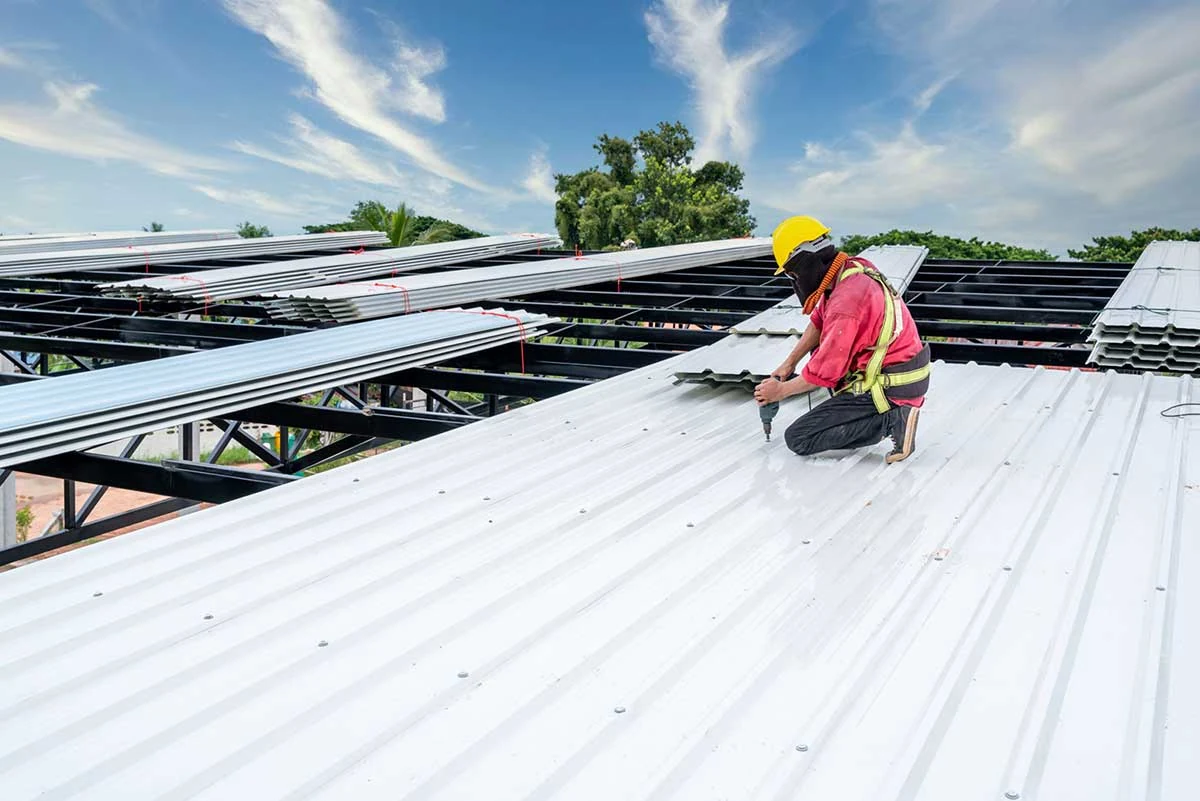
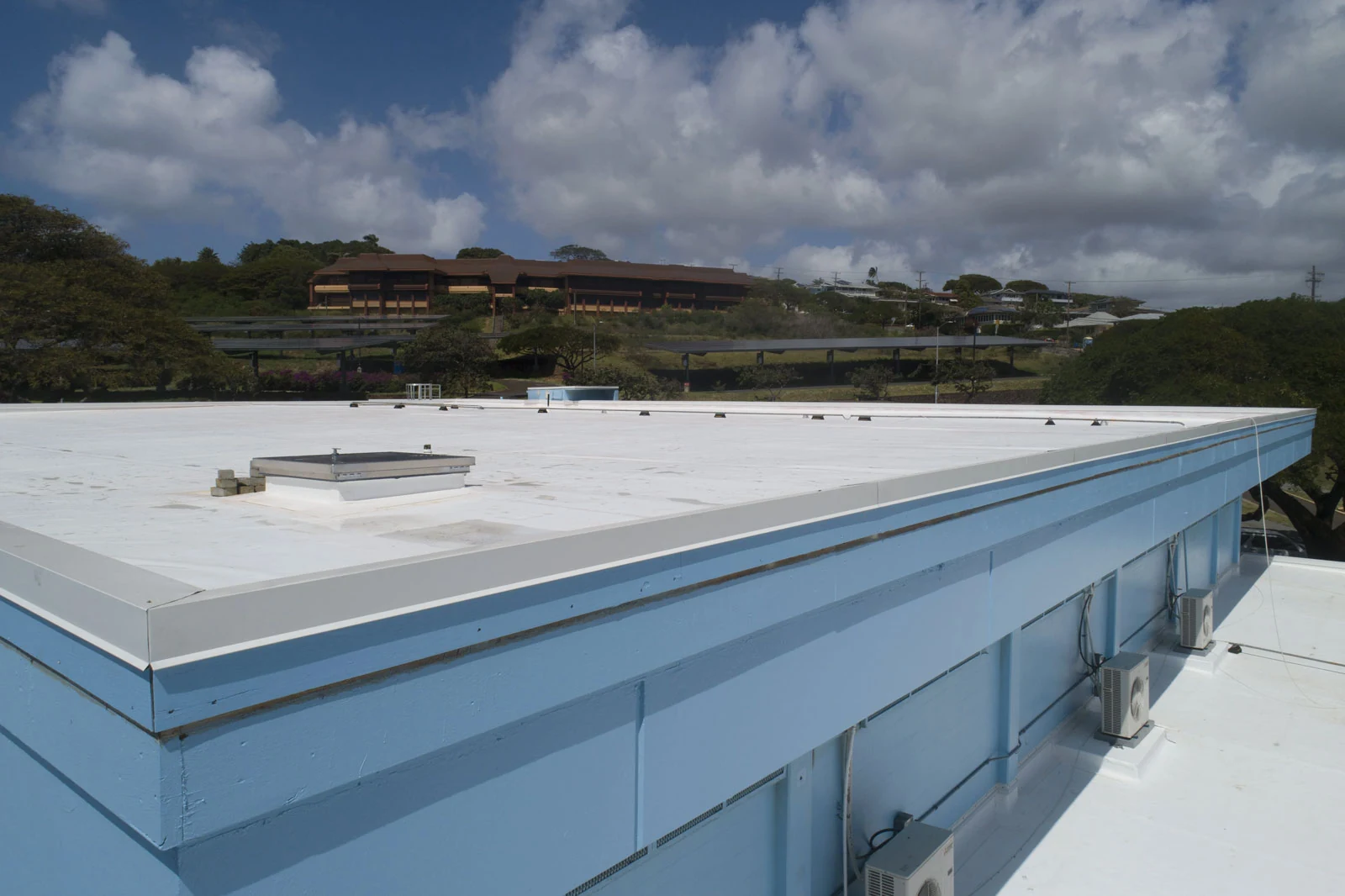
A severe thunderstorm cell over Calcasieu Parish can produce straight-line gusts strong enough to lift membrane at a parapet corner or peel edge metal that's already working loose, the same failure points that fail under hurricane wind, just from a shorter-duration event. Metal panel roofs see similar clip and seam failures, sometimes limited to a single section where the gust front hit hardest rather than spread across the whole roof, since these storms are often more localized than a hurricane's broad wind field.
Hail frequently rides along with these same storm cells in this region. On membrane roofs it can bruise or puncture the surface without an obvious visual signature until the membrane is inspected closely, and on metal panels it can dent or crack panel coatings enough to compromise long-term weathering even where the panel itself hasn't failed structurally. We check for both wind and hail signatures on every storm inspection, since a single event often produces both types of damage on the same roof.
Documenting a Localized or Isolated Event
Because straight-line wind and severe thunderstorm damage is often more localized than hurricane damage, documentation needs to be precise about where on the roof the damage sits and how it correlates to the specific storm's wind direction and intensity at that location. We measure and photograph the affected sections in detail and note where the rest of the roof shows no comparable damage, since a claim that's specific about scope tends to move through review faster than one that's vague about how much of the roof was actually affected.
Building Stock Across the Parish
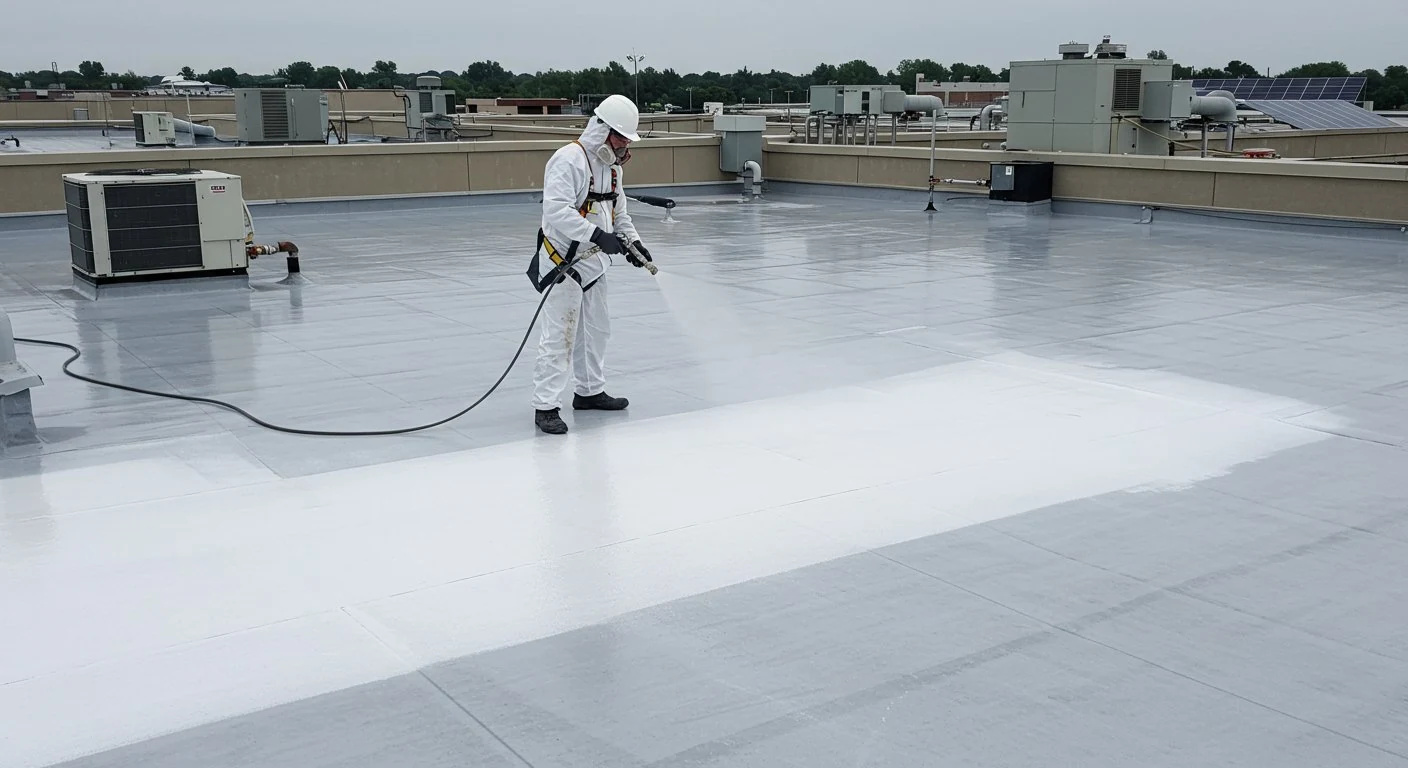
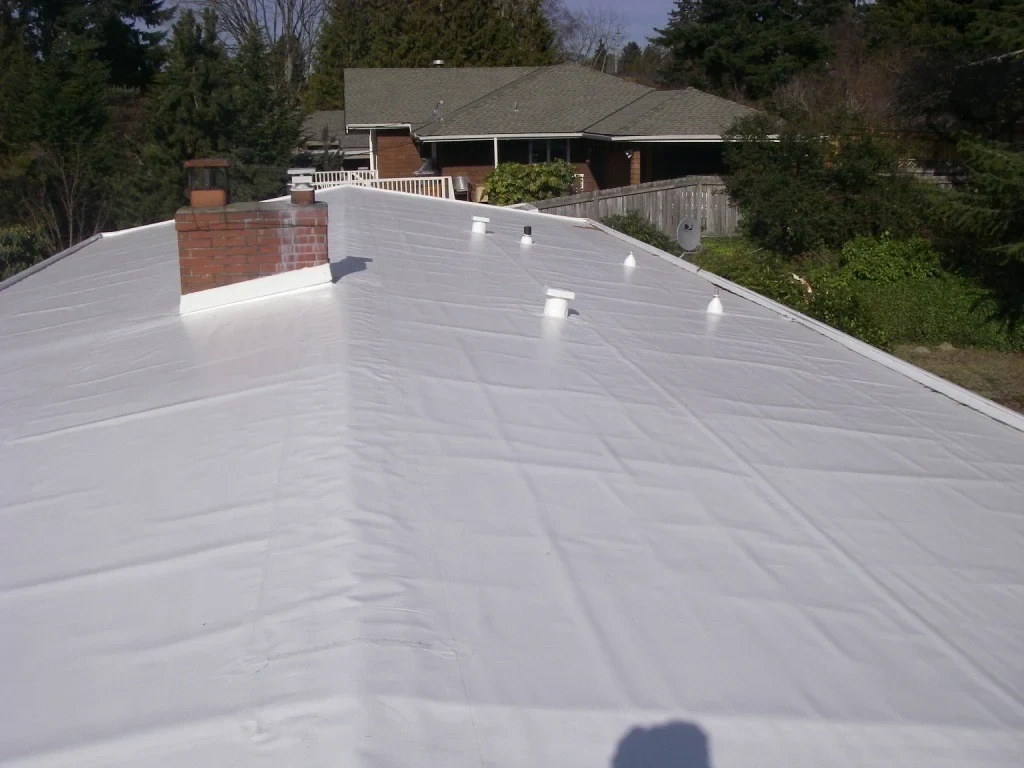
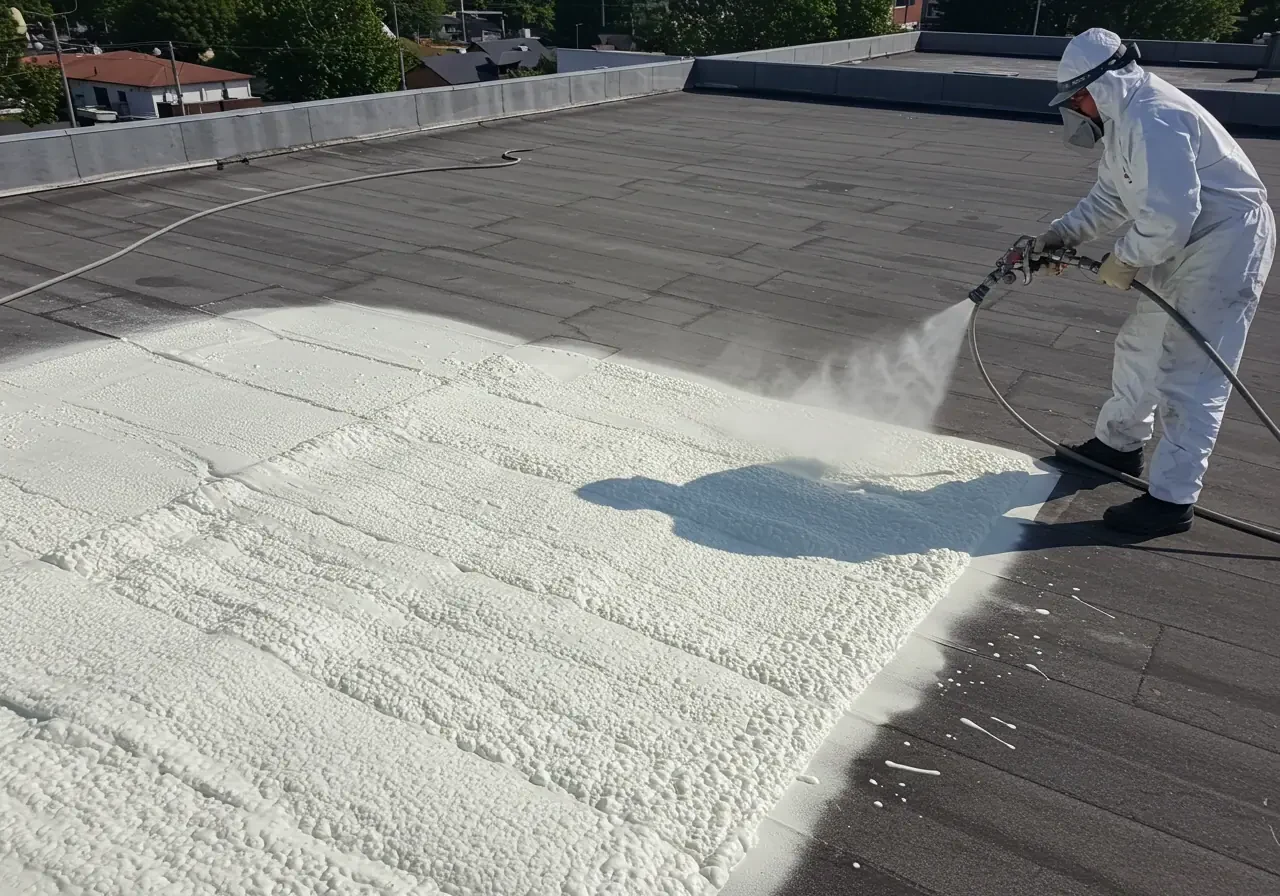
Retail and light industrial roofs on TPO or EPDM membrane make up a large share of what we inspect after these storms, alongside older built-up and modified bitumen sections still common on downtown buildings that have been patched through multiple prior events. Standing seam and R-panel metal roofs are common on newer light industrial and warehouse construction around the parish's growth corridors. Each system shows storm damage differently, and our documentation approach adjusts to the roof type rather than using one generic damage checklist across all of them.
Meeting the Adjuster and Framing the Full Repair
Once the carrier assigns an adjuster, we walk the roof with them and point out damage that isn't obvious from the access point, backed-out fasteners, hairline seam separation, hail bruising that only shows under close inspection. We itemize the complete repair scope, including flashing and edge metal work that a partial patch would otherwise skip, so the claim reflects what the roof actually needs to be watertight again, rather than the smallest visible fix. We're your roofing contractor, not a public adjuster: we document and substantiate the damage so you and your adjuster work from an accurate scope, and the coverage decision stays with your carrier.
- Wind and hail signature check on every storm-related inspection
- Precise mapping of localized damage against the storm's actual path and intensity
- Documentation matched to roof system, since membrane, metal, and built-up all fail differently
- Full repair scope covering flashing and edge detail, not only the visible tear
- On-roof meeting with the assigned adjuster to walk findings together
- Written report for the owner to bring to their carrier or public adjuster
For roofs damaged by a named hurricane, see our hurricane damage claims page, and for the general claims process, see commercial roof insurance claim assistance. Our insurance documentation support service covers the day-to-day mechanics of what we photograph and measure.
Wind and Storm Damage Claim Questions
Is a straight-line wind claim different from a hurricane claim?
The wind damage itself can look similar, but the deductible is usually different. Most policies apply a flat-dollar wind deductible to non-named-storm events rather than the higher percentage-based named-storm deductible, and claims outside hurricane season generally aren't competing with a regional surge in claim volume.
Can hail damage show up alongside wind damage from the same storm?
Yes, frequently. A single severe thunderstorm cell can produce both, and hail bruising on a membrane roof or coating damage on metal panels isn't always visible without a close inspection, so we check for both on every storm-related visit.
Will an isolated section of damage still support a claim?
Yes. Localized damage from a smaller wind event is common with these storms, and precise documentation of exactly where the damage sits and how it correlates to that specific storm supports the claim even when the rest of the roof is unaffected.
How fast do these claims typically move compared to a hurricane claim?
Usually faster, since carriers aren't managing a regional backlog the way they are after a widespread hurricane event. Thorough documentation up front still matters for how quickly the claim gets approved at the right scope.
Do you inspect for storm damage even if there's no visible leak yet?
Yes. Wind and hail damage that hasn't started leaking can still represent a real loss, and documenting it before the next rain event or before temporary repairs change what's visible gives the owner a stronger claim file.