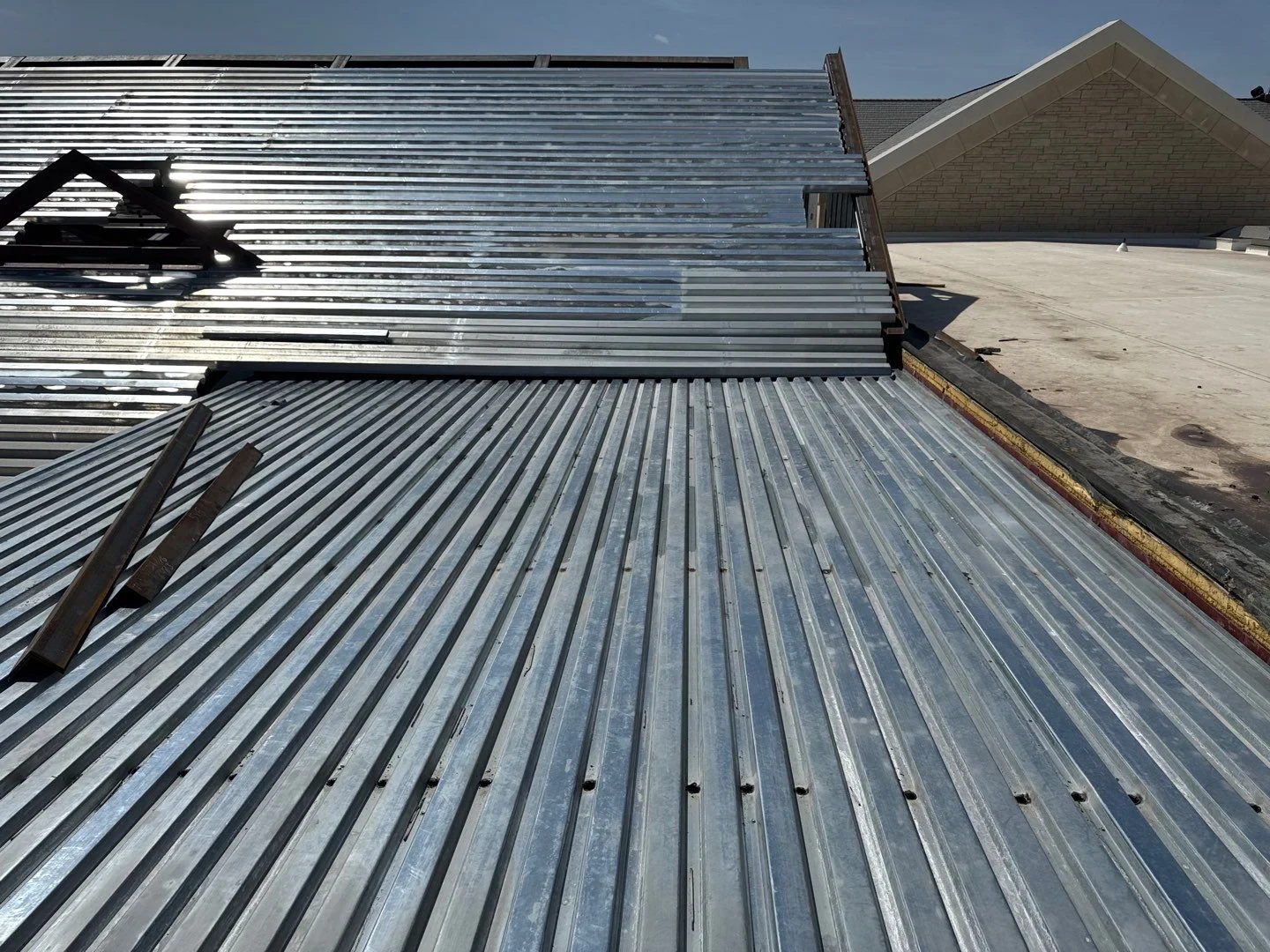
Distribution Roofs Built for Freight That Doesn't Stop Moving
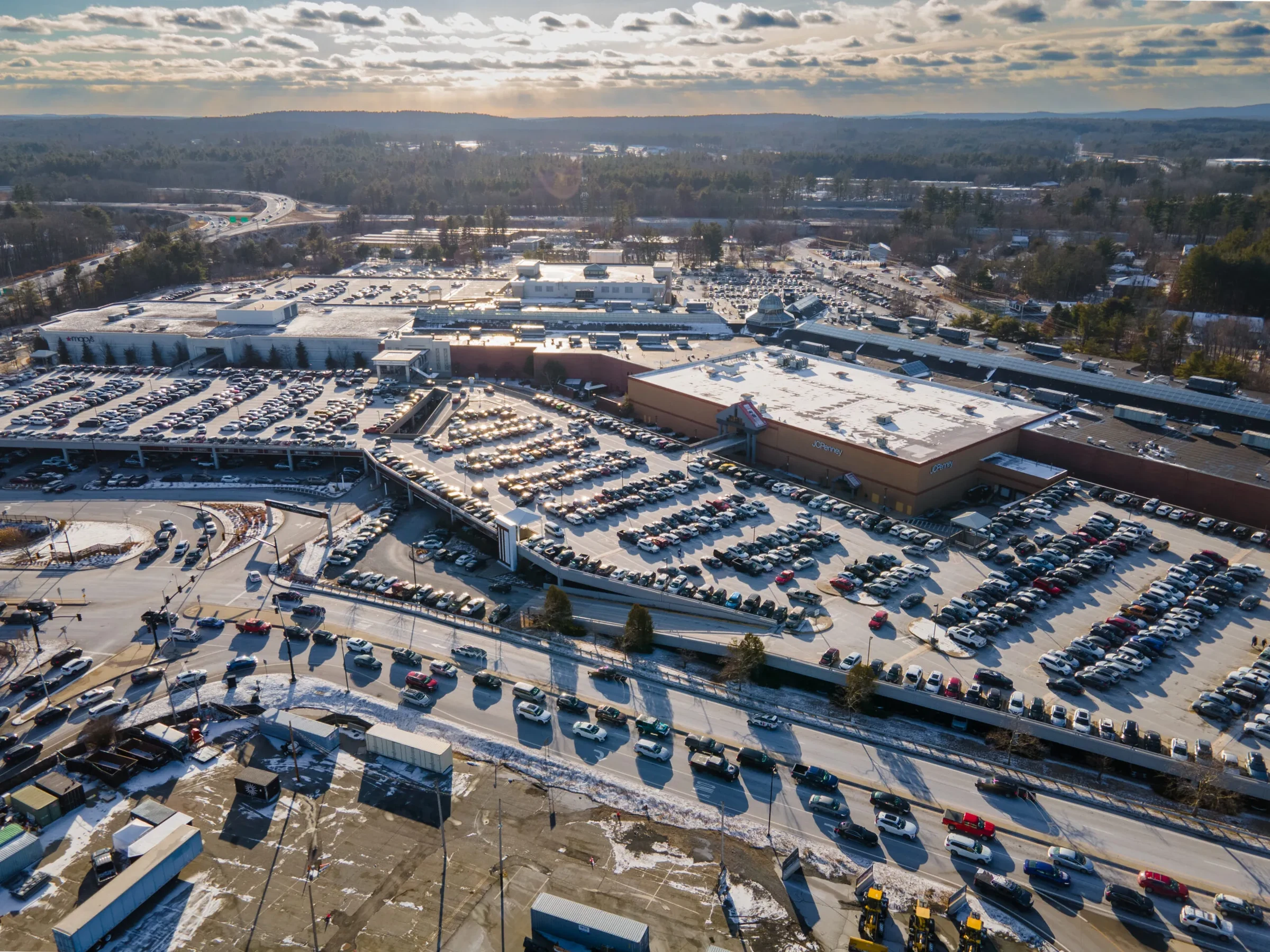
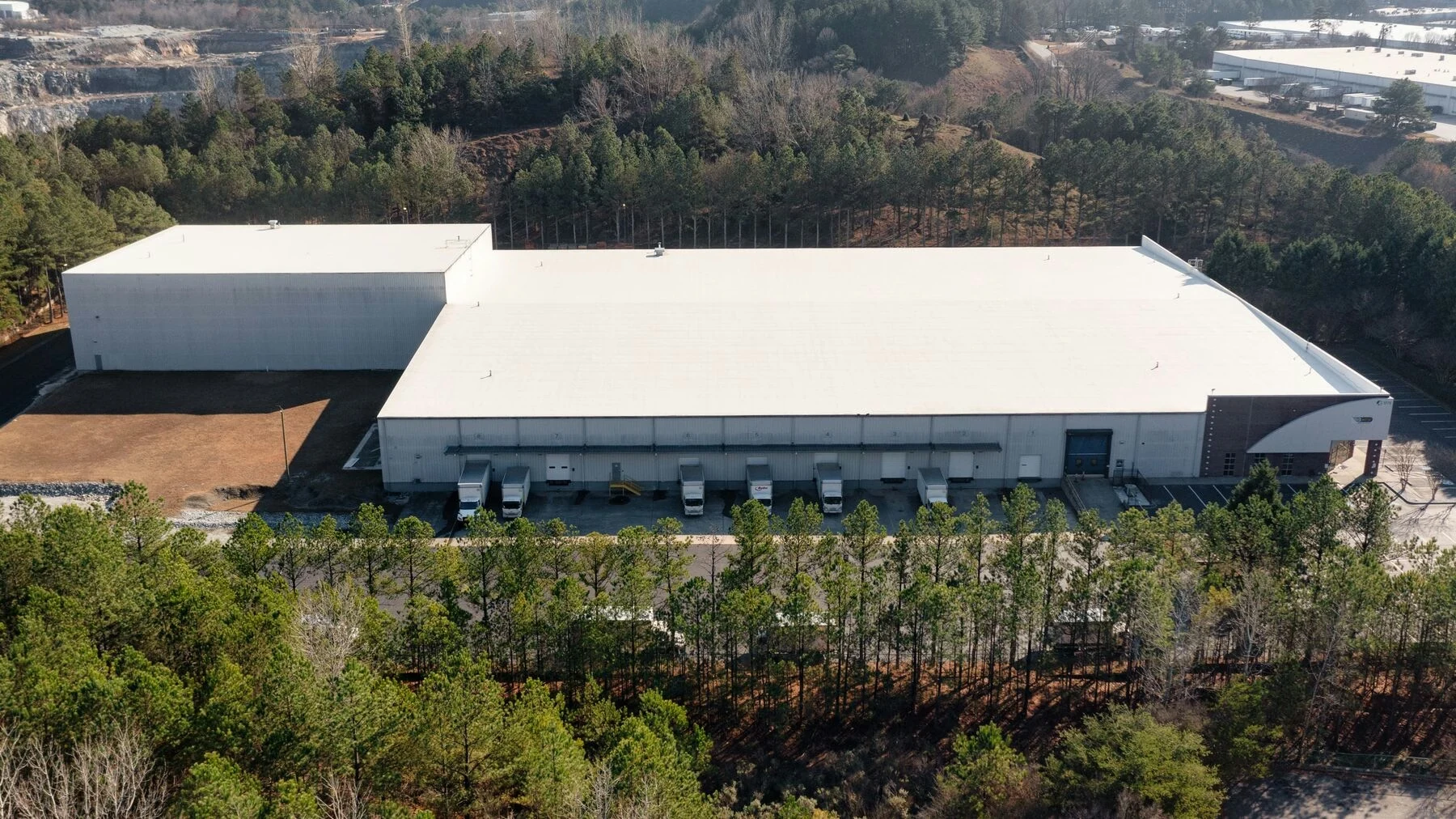
Lake Charles sits on I-10 between Houston and New Orleans, and the distribution buildings along that corridor and down Highway 90 move freight through around the clock. These aren't the smaller plant-support warehouses scattered through Sulphur and Carlyss , they're larger cross-dock and regional distribution buildings with dozens of dock doors and roof fields that can run past 100,000 square feet under one membrane. A roof problem on a building like this doesn't just threaten one tenant's inventory; it threatens a shipping schedule that other companies are depending on.
What a Regional Distribution Roof Actually Looks Like
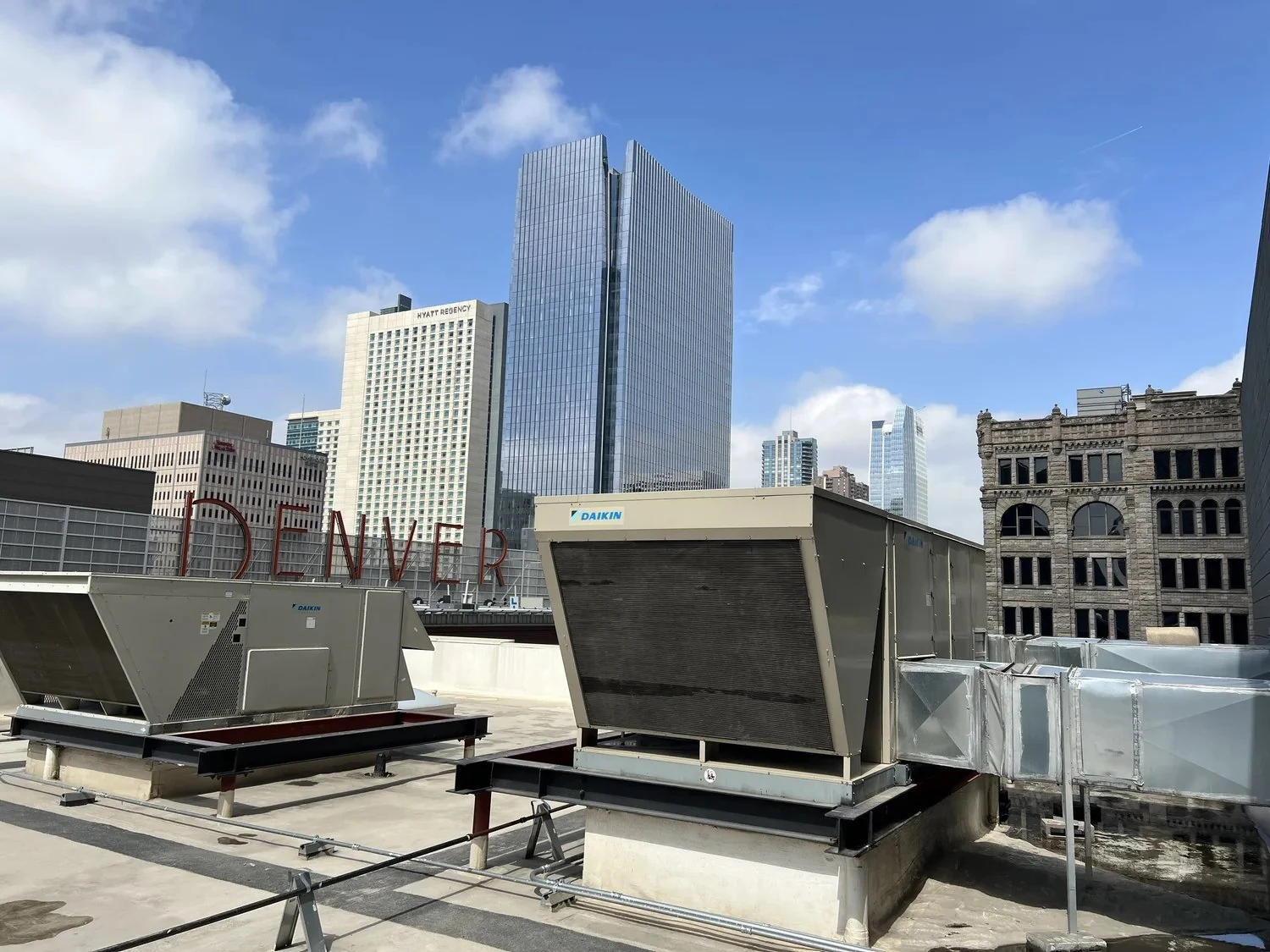
Most of these buildings are tilt-wall or pre-engineered steel construction with a single large TPO or PVC membrane field, minimal parapet height, and roof drains spaced across a field wide enough that a slope problem in one corner can go unnoticed for a long time. Rooftop units serving the office and break areas sit alongside larger exhaust and makeup air equipment for the warehouse floor, and every one of those curbs is a potential leak point across a field this size.
We approach these roofs the way we'd approach the resort properties in this market , by sectioning the field and tracking drainage and equipment separately rather than treating the whole roof as one uniform surface.
Reflective Roofing and the Energy Math on a Big Field
A roof this size has real energy implications for whatever's running underneath , refrigeration units, HVAC serving office space, or just keeping a warehouse floor tolerable for workers in Gulf Coast summer heat. Reflective TPO or a silicone coating over an existing membrane cuts rooftop heat gain measurably on a field this large, and for a distribution operator watching utility costs across a big footprint, that's not a cosmetic upgrade , it's an operating expense decision. We talk through the reflectivity and warranty implications of white versus standard membrane before a recover or replacement project, since the choice matters more on a building this size than it would on a smaller structure.
Dock Doors, Canopies and the Wear Pattern of Constant Truck Traffic
The dock door canopy and the roof edge above the loading area take more physical abuse than any other part of a distribution building's roof , truck impacts, forklift traffic below, constant door operation vibrating the structure. We check canopy flashing and roof edge condition above dock areas as a standalone item on every inspection, separate from the general field walk, because this is where we find the most active deterioration on buildings that otherwise look fine from the parking lot.
Rooftop Solar and Added Structural Load
More distribution operators here are looking at rooftop solar to offset the electrical load of refrigeration and lighting across a building this size, and that decision has roofing implications before it has an energy payoff. A solar array adds point loads and additional penetrations across a field that was engineered for a specific roof dead load, and retrofitting an existing membrane to support racking systems means checking structural capacity and re-flashing every mounting point correctly the first time. We get involved early in these conversations specifically because a poorly integrated solar racking system voids more roof warranties than almost any other rooftop addition we see.
Working Around Freight That Runs All Night
A distribution center rarely has a slow season the way a retail building does, and dock doors stay active on rotating shifts. We schedule roof work section by section, coordinating with the facility's shipping schedule so crews and material staging don't block active dock doors or interfere with truck staging in the yard. That coordination matters more here than almost anywhere else in this market, since a blocked dock door has a cost that shows up the same day.
- Large-format TPO and PVC membrane roofs over cross-dock buildings
- Reflective and coated roofing for reduced rooftop heat gain
- Dock door canopy and roof edge flashing
- Rooftop exhaust and makeup air equipment for warehouse floors
- Drainage systems sized for large continuous roof fields
- Office and break-area HVAC curbs within the larger roof field
Common Questions From Distribution Operators
Can you work around our shipping schedule instead of shutting down dock doors?
Yes, we plan roof sections around active dock areas and coordinate directly with your shipping team on which doors and yard zones need to stay clear each day.
Does a reflective roof actually reduce cooling costs on a building this size?
Reflective membrane and coatings reduce rooftop heat gain, which affects HVAC load in conditioned areas and general worker comfort on the warehouse floor. The bigger the roof field, the more that reflectivity difference matters in practice.
What part of the roof fails first on a distribution building?
Canopy flashing and roof edge details above the dock doors, almost every time. Constant vibration and truck-adjacent impact wear that area faster than the open field.
How do you inspect a roof this large without missing problem areas?
We section the field into zones and track drainage, equipment curbs and edge conditions by zone rather than walking it as one undivided surface. That's the only way to catch a localized problem on a roof this size.
Do you handle emergency response if a section fails during active freight operations?
Yes, and we prioritize distribution buildings for emergency tarp and dry-in response given how quickly a leak over active freight or inventory becomes a bigger problem than the roof itself.