Modified Bitumen Still Has a Place on Older Downtown Roofs
A lot of the older buildings around downtown Lake Charles and the surrounding parish still carry modified bitumen roofs, and plenty of them are due for a decision: patch again, recover, or finally tear off. We work on these roofs regularly enough to have a clear view of where modified bitumen still performs and where it has aged past what another patch can fix.
What Modified Bitumen Actually Is
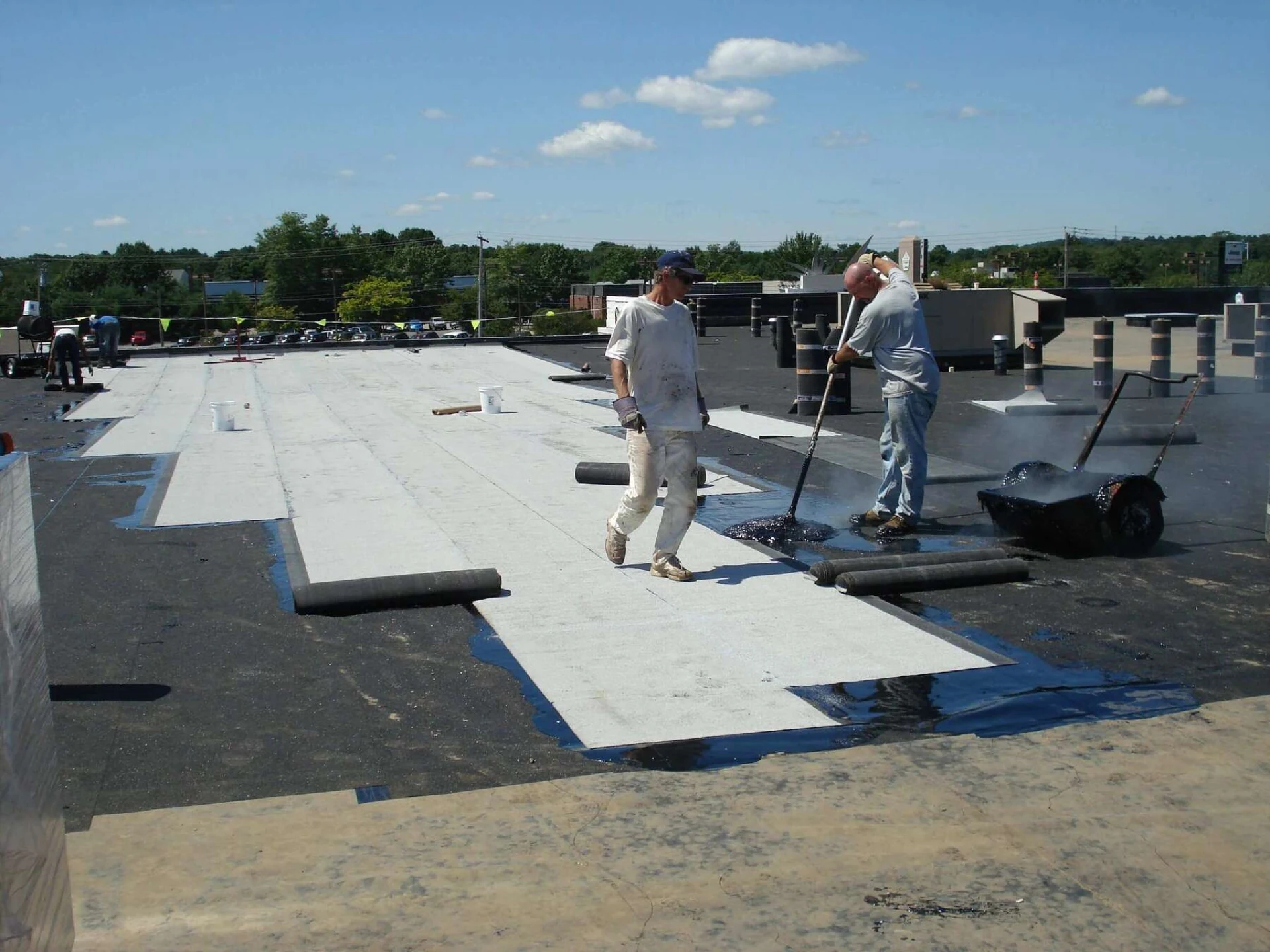
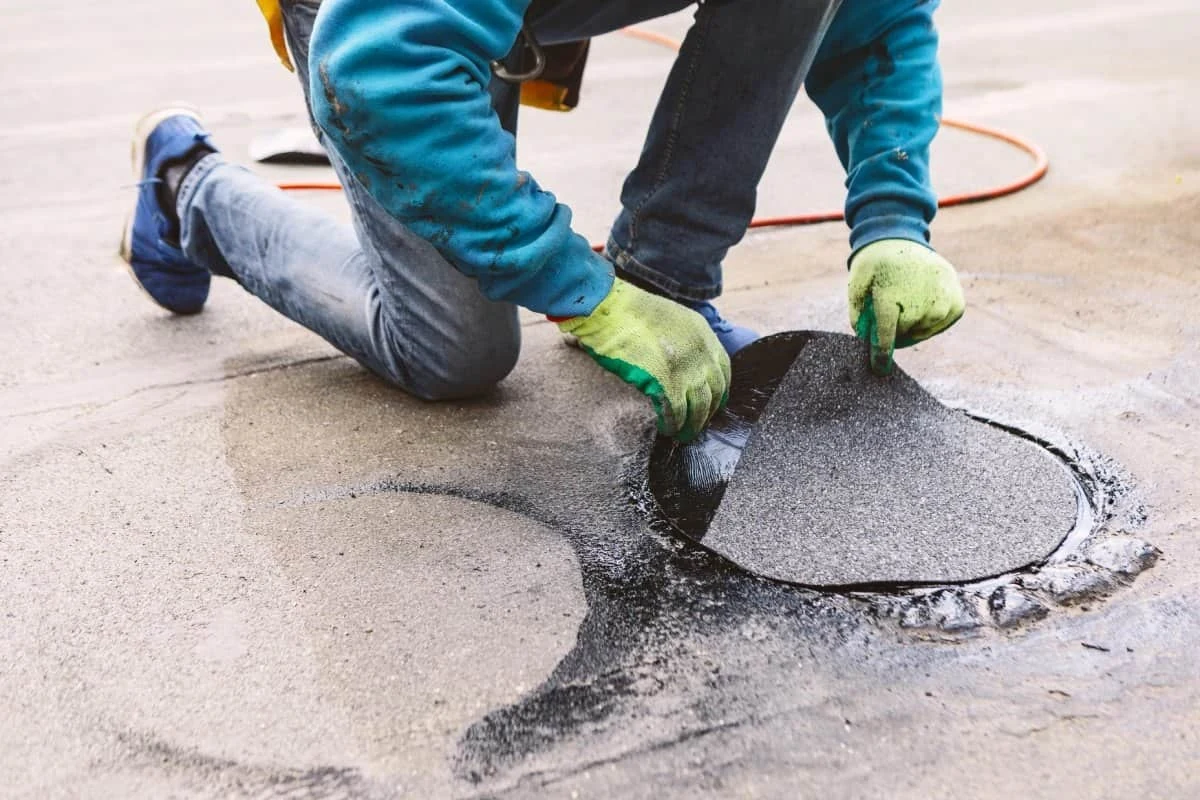
Modified bitumen is an asphalt-based membrane reinforced with polymer modifiers, installed in layered plies rather than a single sheet like TPO or PVC. That layered approach gives it real durability against foot traffic and puncture, which is part of why it still shows up on buildings with rooftop equipment, mechanical rooms, and regular maintenance access.
Torch-Applied Versus Cold-Applied in Our Climate
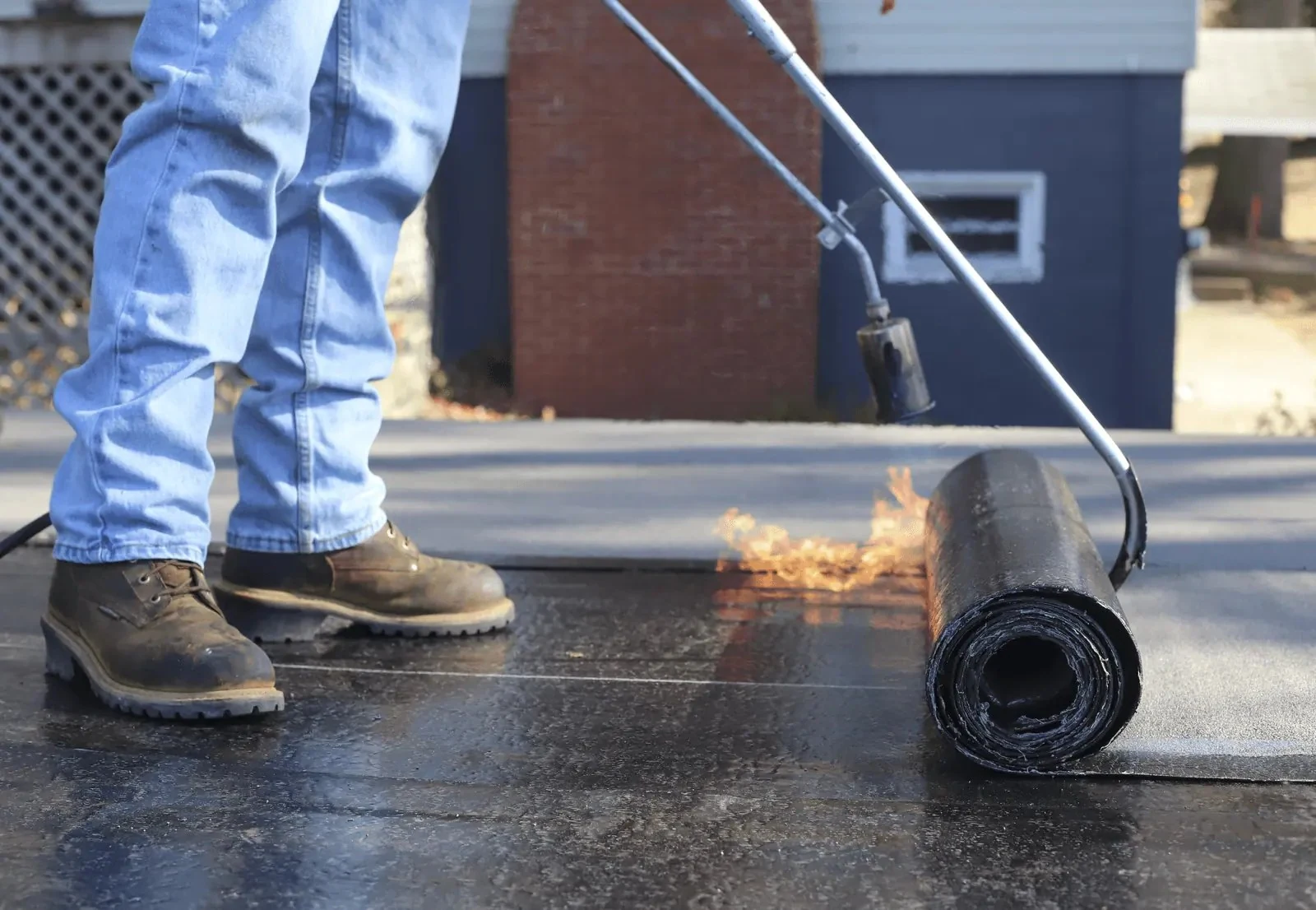
Torch-applied modified bitumen uses an open flame to melt the asphalt and bond the plies, and it produces a strong bond when done correctly. It also carries fire risk during installation, which matters on any building near plant operations or with sensitive contents underneath. Cold-applied and self-adhered modified bitumen systems avoid the open flame and have become the more common choice on jobs near industrial exposure or occupied buildings where a torch crew working overhead makes tenants understandably nervous.
Given how much of our modified bitumen work happens near the Westlake and Sulphur corridor, we lean toward cold-applied methods more often than a roofer working in a less industrial market might, simply because the fire risk calculus is different here. That is not a blanket rule, though. A standalone building far from any process equipment, with a clear roof edge and good access, can be a reasonable candidate for torch application if the crew running it is experienced and the building's fire watch protocols are in place.
Where Modified Bitumen Fails First
Lap seams between plies are the most common failure point we find, especially on roofs that have been through repeated heat cycling and Gulf humidity for a couple of decades. Ponding water at low spots accelerates that seam failure, since standing water works into any lap that has started to open even slightly. Wind uplift at the perimeter and at flashing transitions is the other major failure mode, and that is exactly where Laura and Delta did the most damage to modified bitumen roofs across the parish. We still get called out to buildings where a section of perimeter flashing was never properly reset after one of those storms, and the roof has been slowly taking on water at that one spot ever since without anyone tracing the leak back to its source.
Buildings Where We Still Recommend It
Modified bitumen remains a reasonable choice for a specific set of buildings, particularly ones with heavier rooftop traffic or equipment loads than a thin single-ply membrane handles well.
- Downtown office buildings with rooftop mechanical equipment and regular maintenance access
- Older school and government buildings already carrying a modified bitumen roof in fair condition
- Multifamily and apartment roofs with limited but recurring foot traffic
- Buildings where fire-rated performance at the roof assembly matters
- Retrofit projects where matching an existing system's height and detailing simplifies flashing work
When We Tell Owners to Move On From Modified Bitumen
If a roof has more than a couple of prior patch repairs stacked in the same area, or if lap seams are opening in multiple locations rather than one isolated spot, that is usually a sign the membrane itself is past the point where another patch makes sense. We would rather tell an owner that plainly than keep billing small repairs on a roof that needs a real decision. A roof with three or four patches in the same ten-foot stretch has already told us what it needs; we just have to say it out loud instead of quoting patch number five.
How We Approach a Modified Bitumen Job
We check ply count and condition first, since that tells us how much life is realistically left. Then we look at drainage, since ponding is the single biggest accelerant of failure on this membrane type in our climate. If a full recover makes more sense than another repair, we say so before quoting a patch that will not hold through the next storm season.
Modified Bitumen Questions We Hear Often
Is torch-applied modified bitumen safe to install near a plant or industrial building?
It carries more fire risk than cold-applied methods, and we typically recommend cold-applied or self-adhered systems near industrial exposure or occupied buildings for that reason.
How many patch repairs is too many before replacement makes sense?
Once a roof has multiple patches in the same general area, or seams opening in more than one spot, that usually signals the membrane is near the end of its useful life rather than needing one more repair.
Does ponding water always mean the roof needs replacing?
Not always. Sometimes it means the drains or slope need correcting. But ponding on an aging modified bitumen roof accelerates seam failure, so it should never be ignored.
Can modified bitumen handle the wind speeds we see in hurricanes here?
It depends heavily on how the perimeter and flashing are secured. We evaluate wind uplift performance at those transition points on every modified bitumen job in this parish.
Is modified bitumen more durable than TPO for roofs with heavy foot traffic?
Generally, yes, its layered construction resists puncture and traffic wear better than a thin single-ply membrane, which is why it still gets specified on roofs with regular equipment access.