Acrylic Coating Is the Right Answer When the Roof Actually Drains
A coating recommendation starts with adhesion, moisture, drainage, membrane condition, detail preparation, and warranty eligibility,not every existing roof is a restoration candidate. Acrylic coating gets recommended constantly across the roofing industry as a cheap fix for an aging roof, and just as often it gets applied where it was never the right chemistry for the job. We use acrylic where it genuinely fits, which in this market means roofs that drain well and do not sit under sustained standing water.
Where Acrylic Earns Its Lower Price
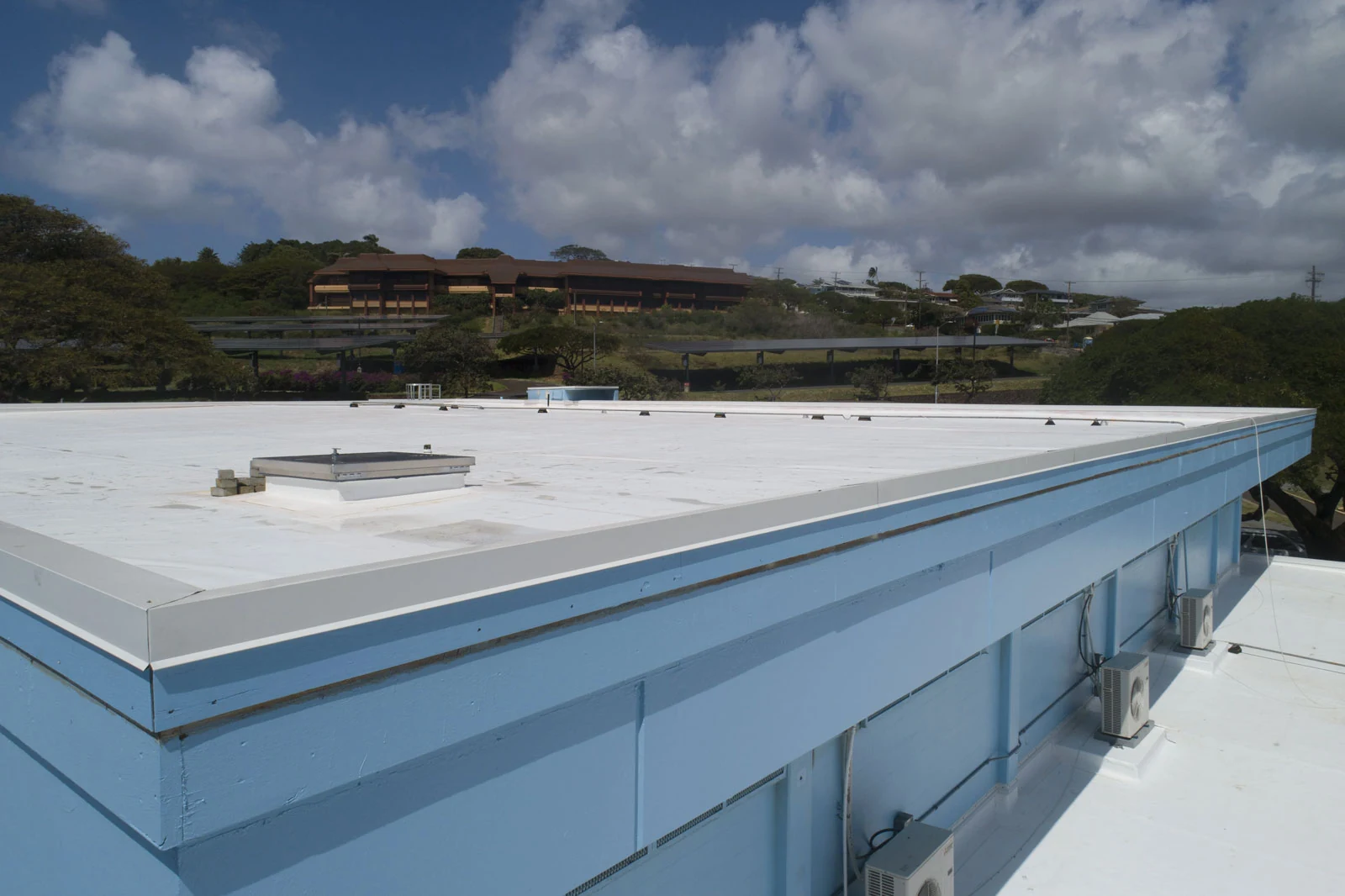
Acrylic coating costs meaningfully less than silicone, and on a roof with good slope and drainage, it performs well for years. Metal roofs with adequate pitch, especially standing seam and R-panel buildings out along the rural highways where water sheds off quickly, are strong candidates for acrylic recoating rather than a more expensive silicone system that the roof does not actually need.
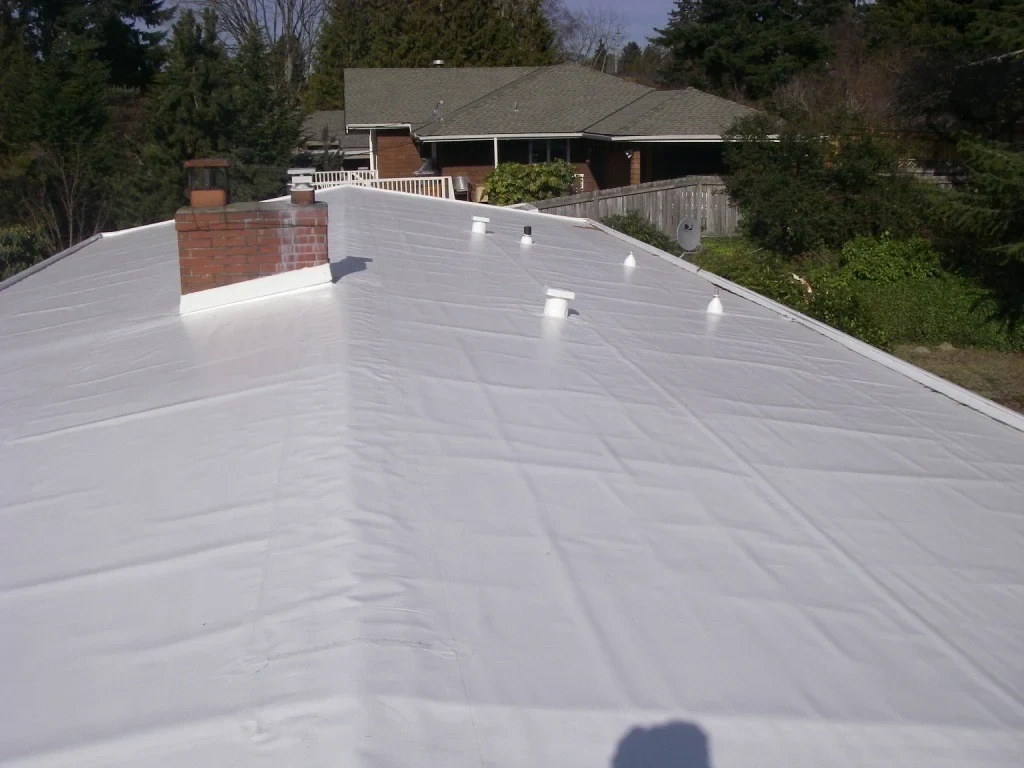
Reflectivity is another place acrylic performs well. A fresh acrylic coating reflects a meaningful share of solar heat, which helps on warehouse and distribution roofs off I-10 where cooling costs matter and the roof pitch keeps water moving instead of pooling.
Why Ponding Water Changes the Recommendation Entirely
Acrylic coating softens and degrades under sustained water contact in a way silicone does not. On any roof section where we find standing water lasting more than a day or two after rain, acrylic is the wrong call regardless of the cost savings, and we say so rather than quoting the cheaper option and letting an owner find out the hard way during the next wet season. Flat built-up and modified bitumen roofs with settled low spots are the buildings where this distinction matters most, and we check drainage patterns carefully before recommending acrylic on any low-slope roof.
Recoating Metal Buildings Across the Rural Corridors
A lot of the metal buildings we see out toward Iowa, Sulphur, and the Highway 171 corridor have decent pitch and clear drainage, which makes them good acrylic candidates once surface rust or chalking membrane starts showing up. Acrylic recoating on a sound metal panel, done after proper rust treatment and surface preparation, extends the building's roof life at a fraction of full panel replacement cost.
What Surface Preparation Actually Requires
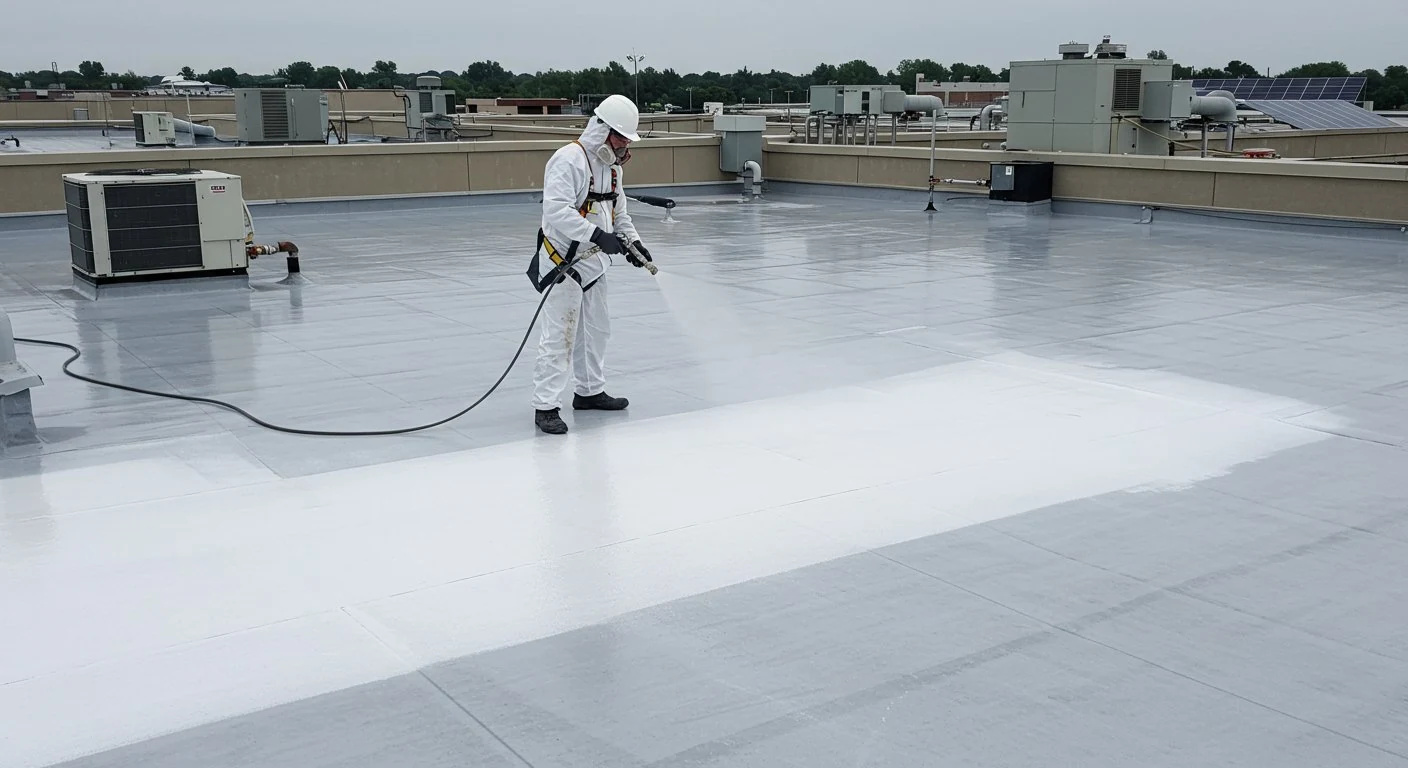
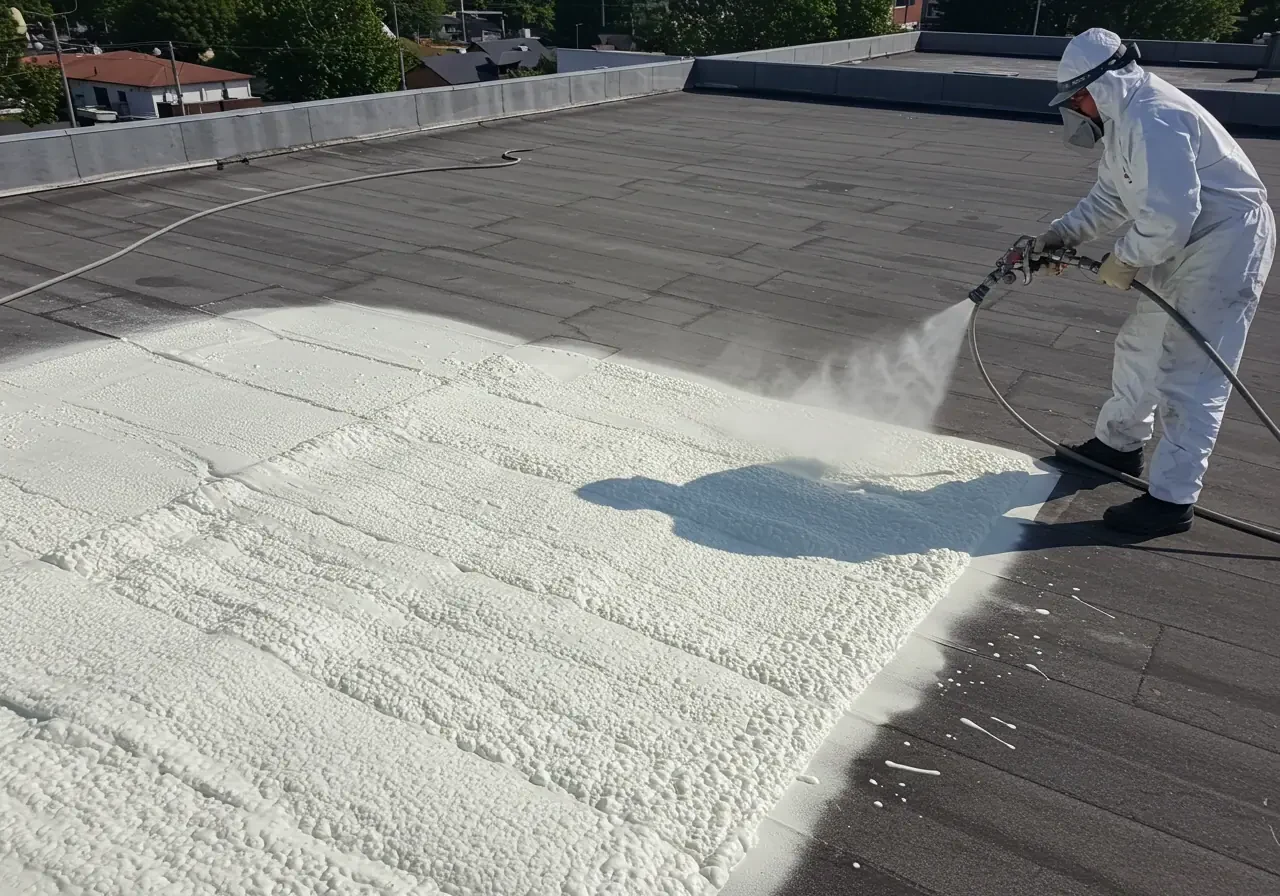
An acrylic coating is only as good as the surface underneath it. Rust needs to be treated before coating rather than simply covered, and any loose or peeling existing coating has to come off rather than getting painted over. We spend real time on preparation before any acrylic application, since a coating applied over unprepared rust or a failing prior coating fails within a season or two regardless of the product's quality. Pressure washing, wire brushing at corroded fastener heads, and a rust-inhibiting primer coat all happen before the acrylic topcoat goes down, and skipping any of those steps to save a day of labor is the single most common reason we get called back to a recoat job that failed early.
- Roof slope and drainage confirmed before recommending acrylic over silicone
- Existing rust treated and stabilized rather than simply coated over
- Prior failing coatings removed rather than recoated directly
- Reflective finish selected for buildings where cooling cost is a real factor
- Application scheduled around a dry weather window for proper cure
When We Steer Owners Toward Silicone Instead
If a roof inspection turns up ponding water anywhere on the field, or if the roof has flat sections mixed in with sloped ones, we usually recommend silicone for those areas even if acrylic covers the rest of the building. Mixed coating strategies on a single roof are common here once we account for how differently water behaves across different sections of an older building.
Cost Versus Longevity: The Honest Tradeoff
Acrylic's lower material cost is real, and for the right roof, it is not a compromise at all, just the correct choice. But an owner choosing acrylic purely on price for a roof that actually needs silicone's ponding resistance is buying a shorter recoat cycle and will likely be back sooner than expected for another application. We lay out that tradeoff plainly for every owner, rather than letting price alone drive the final decision.
Acrylic Coating Questions We Hear
Is acrylic coating a good fit for my metal building roof?
Usually, yes, if the roof has decent slope and sheds water well. We check drainage before confirming acrylic as the right chemistry for a specific building.
How long does an acrylic coating typically last?
Service life depends on substrate condition, surface prep quality, and ongoing UV and weather exposure, but a well-prepared, well-applied acrylic coating on a properly draining roof performs reliably for years before recoating is needed.
Can acrylic be applied over an existing acrylic coating?
Sometimes, if the existing coating is still adhered and in reasonable condition. A failing or delaminating prior coating needs to come off first rather than getting recoated directly over.
Does acrylic coating stop rust on a metal roof?
It slows further corrosion significantly when applied after proper rust treatment, but existing rust needs to be addressed during prep, not simply covered.
Why would you recommend silicone instead of the cheaper acrylic option?
Standing water is the main reason. If a roof holds water for more than a day or two after rain anywhere on its surface, acrylic will degrade faster than silicone in that area, and we will say so rather than sell the cheaper product where it will not hold up.