Grocery Roofs That Have to Be the First Thing Back Open
When a storm comes through Southwest Louisiana, the grocery stores along Nelson Road, Prien Lake and the growing Moss Bluff corridor are some of the first commercial buildings the community needs back open, right alongside the gas stations and hardware stores. That urgency shapes how we approach grocery roofing here more than anything else , these are essential buildings, and a roof problem that would be a routine repair ticket on an office building becomes a reopening deadline on a grocery anchor.
Where the Grocery Stock Sits in This Market
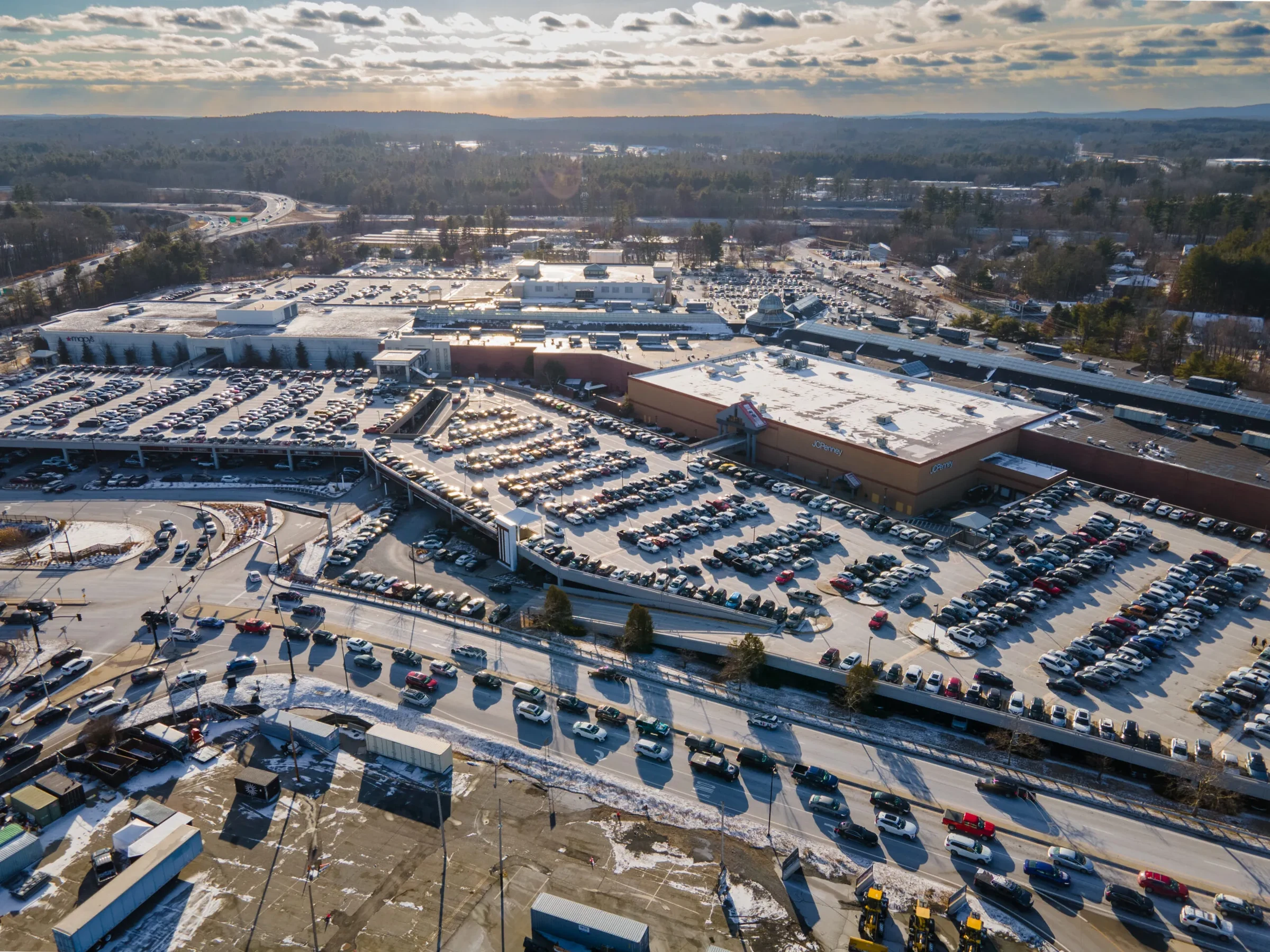
Grocery anchors here run from big-box format stores near Prien Lake Mall to smaller neighborhood-format stores serving the growing Moss Bluff and Sulphur populations. Most are single-story big-box construction with a large low-slope membrane roof, minimal roof penetrations beyond mechanical and refrigeration equipment, and drainage systems that were sized for the store's original footprint before decades of equipment additions changed the load on the roof.
Refrigeration Equipment Changes the Roofing Math
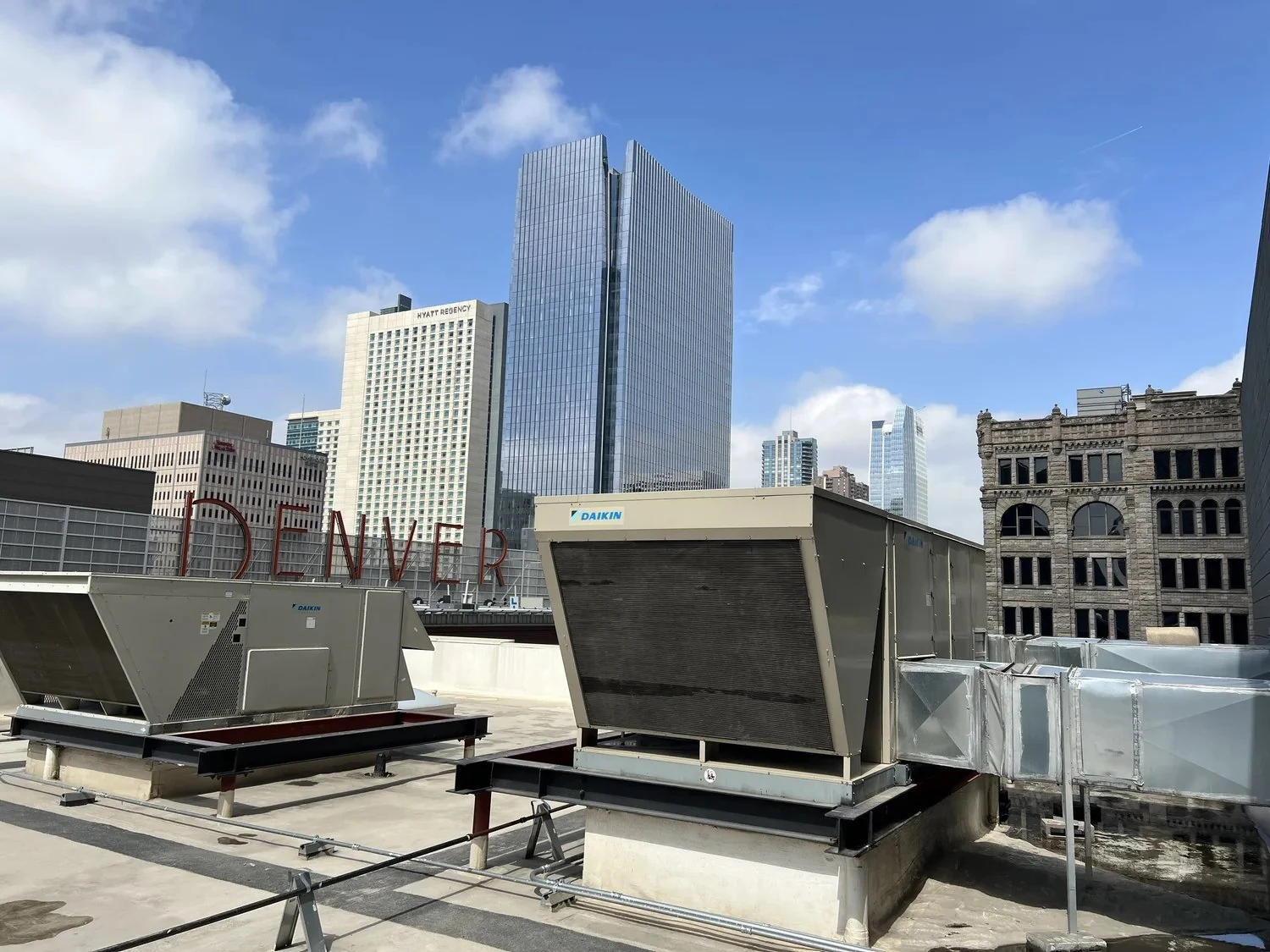
A grocery store roof carries more rooftop refrigeration and HVAC equipment than almost any other retail building type, and every condenser, walk-in cooler exhaust and refrigeration rack sits on its own curb that needs its own flashing inspection. We've found more grocery store leaks tracing to a refrigeration curb than to the open membrane field, largely because these units get serviced and sometimes replaced more often than the roof gets inspected, and each service call is a chance for a flashing detail to get disturbed.
When a grocery store adds or upgrades refrigeration equipment, we recommend a roof inspection follow the installation, beyond the mechanical commissioning, since a mechanical contractor isn't always checking the roofing detail around the curb they just modified.
Reopening Pressure After a Storm
A grocery store that's still under repair a week after a storm is a store that's not selling water, ice, generators or food to a community that needs all of it. We treat grocery roof damage as a priority call during storm response for exactly that reason, and we've had stores here call us specifically because they need to reopen days sooner than a standard commercial timeline would allow. That urgency means we plan storm-season readiness , tarp materials, drain clearing, pre-storm inspection , for grocery clients earlier and more aggressively than for buildings that can afford to stay closed a while.
Leak Risk Over Sales Floor and Cold Storage
A leak over a grocery sales floor is a slip-and-fall risk and a product-loss problem at the same time, and a leak over walk-in cold storage risks spoiled inventory on top of the roof repair itself. We prioritize any active leak over sales floor or cold storage space above routine field repairs elsewhere on the roof, since the cost of delay compounds faster in a grocery store than in most other building types we work on.
Anchor Roofs Versus the Attached Strip Center
A lot of grocery anchors here sit at the end of a larger strip center, sharing a continuous roofline with smaller inline tenants even though the grocery box was built to its own structural and drainage specification. Water doesn't respect the lease boundary between the anchor and the strip, and a drainage problem on the inline side can back up against the anchor's wall if the two sections weren't tied together correctly at construction. We look at the full shared roofline during a grocery anchor inspection rather than only the anchor's own footprint, since a problem two doors down can end up on the grocery store's ceiling regardless of where the lease line falls.
This matters most at the parapet wall separating anchor and inline sections, where flashing installed by two different contractors on two different timelines is the most common place we find water tracking sideways into the grocery space.
- Big-box format membrane roofing over sales floor and stockroom
- Refrigeration condenser and walk-in cooler exhaust curbs
- Drainage systems sized for original footprint versus added equipment load
- Pre-storm-season inspection and tarp readiness
- Loading dock canopy roofing for receiving areas
- Priority leak response over sales floor and cold storage
What Grocery Store Managers and Owners Ask Us
How fast can you respond if our roof leaks over the sales floor?
We treat active leaks over sales floor or cold storage as priority calls, given the slip hazard and product risk involved. Storm season response is planned in advance specifically for essential retail like grocery.
Does adding refrigeration equipment affect our roof warranty?
It can, if the mechanical installation disturbs the roofing membrane or flashing around the new curb. We recommend a roof inspection after any refrigeration equipment change to catch that before it becomes a leak.
Can you inspect our roof before hurricane season without closing the store?
Yes, roof inspections don't require closing or disrupting sales floor operations. We schedule around your operating hours.
What's the most common leak source on a grocery store roof?
Refrigeration and HVAC curb flashing, more often than the open membrane field itself. These get serviced frequently and the roofing detail around them doesn't always get checked when the mechanical work happens.
How quickly can a damaged grocery roof be made watertight after a storm?
Emergency tarp and dry-in can typically stabilize a damaged section within a day or two of access, which is usually enough to allow reopening while permanent repair is scheduled.