Sika Sarnafil PVC Systems for Chemical-Exposed Roofs
Sika Sarnafil specializes in PVC and FEB (flexible polyolefin) membrane rather than spreading across every membrane category, and that focus shows in the depth of their reinforced membrane options , relevant to a lot of the chemical-exposed and industrial-adjacent buildings we service around Lake Charles.
A PVC Specialist With a Long Field Track Record
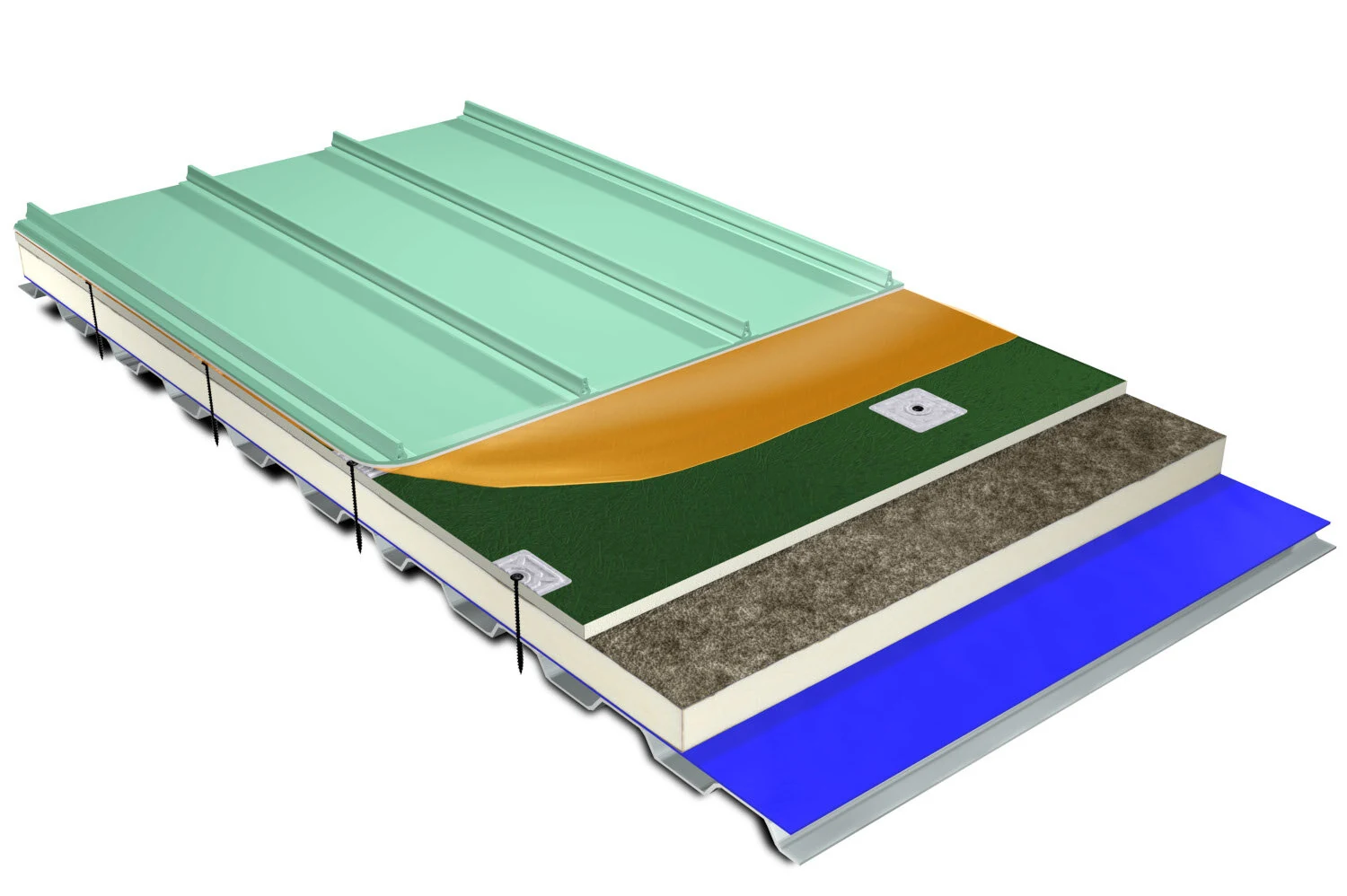
Sarnafil's PVC membrane line has one of the longer field histories in the single-ply category, with reinforced polyester-scrim construction that resists tearing and holds dimensional stability better than unreinforced membrane. Some of the oldest PVC commercial roofs still performing today are Sarnafil installations, which gives us more long-term field data to reference than we get with newer membrane products.
That history matters when a building owner asks how long a PVC roof will realistically last. We can point to documented long-service installations rather than relying only on a manufacturer's stated warranty term.
Reinforced Membrane for Industrial-Adjacent Buildings
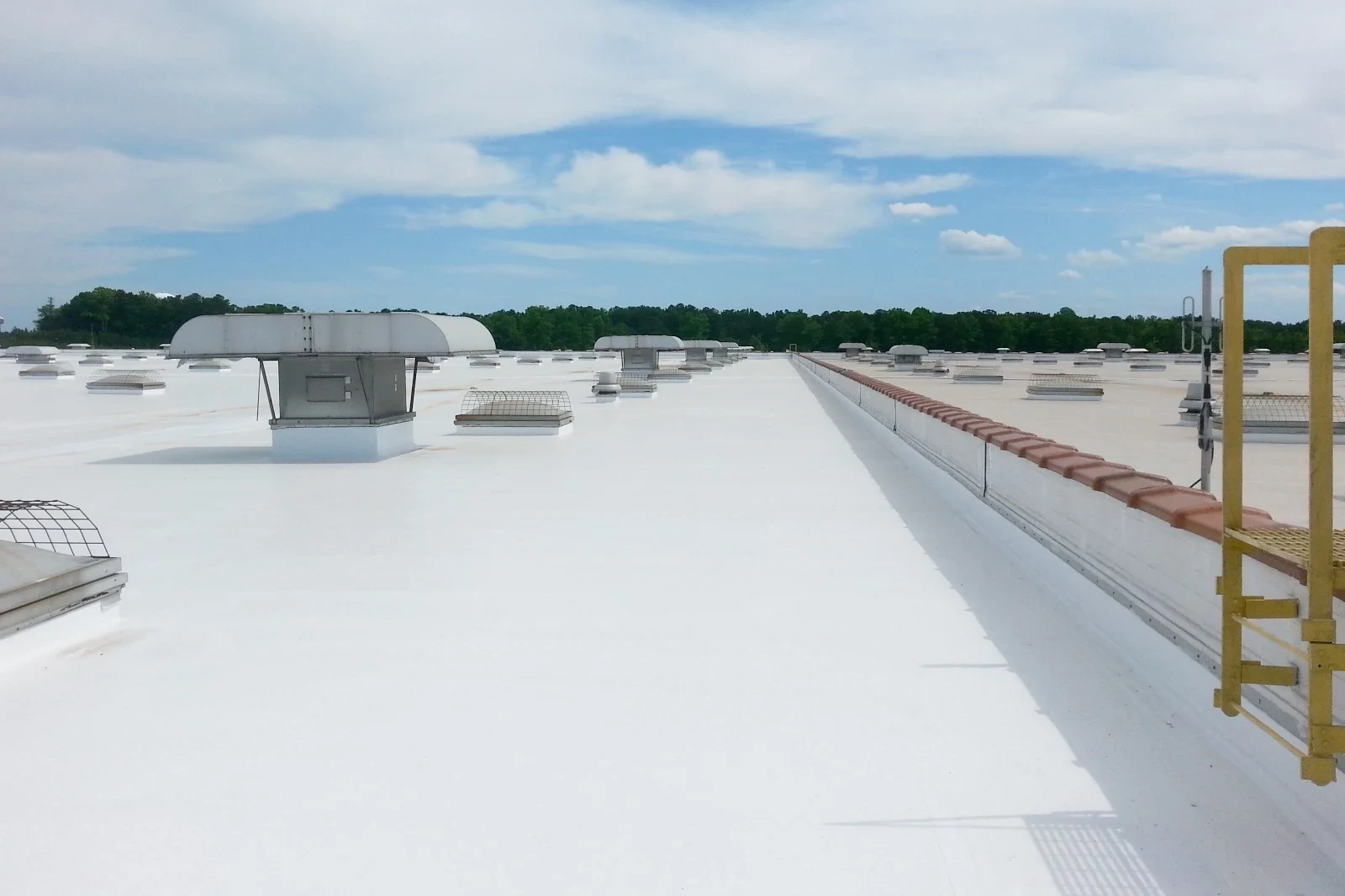
Sarnafil's reinforced membrane resists petroleum-based contaminants and chemical fallout as well as any PVC product we install, which puts it near the top of the list for buildings close to the refineries, the Sasol complex, and related plant operations along Highway 90.
The polyester scrim reinforcement also matters on roofs with heavier foot traffic or equipment loads, since it resists puncture and tearing better than unreinforced membrane in the same thickness , relevant on industrial flex buildings that see regular contractor and maintenance access.
Mechanically Fastened vs Fully Adhered Installation
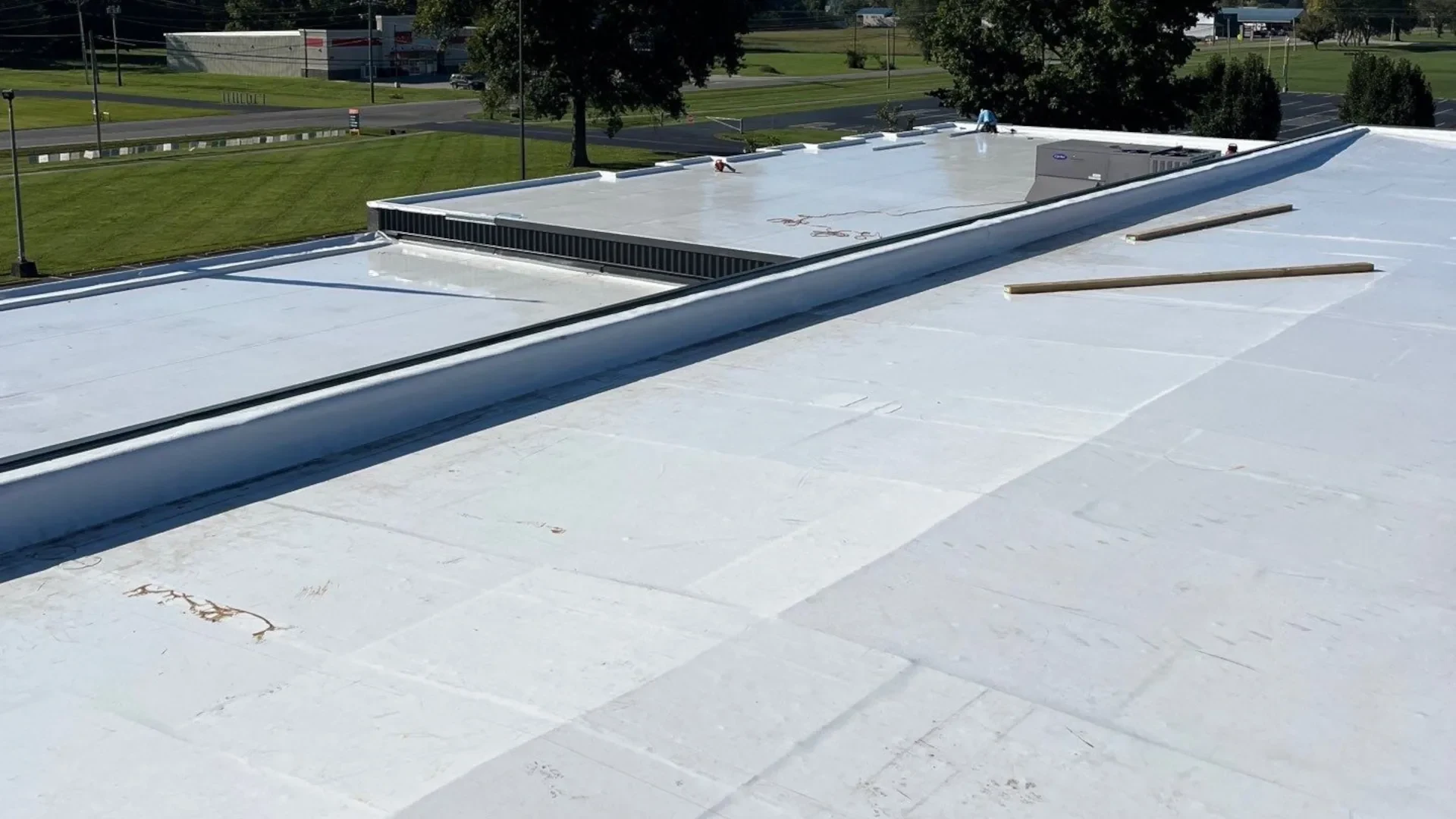
Sarnafil systems install either mechanically fastened or fully adhered, and the choice affects both wind performance and how the roof handles building movement. Fully adhered systems bond the membrane across the full deck, which we generally prefer on higher-exposure sites.
Mechanically fastened installation costs less and installs faster, and it's still the right call on a lot of straightforward roofs without unusual wind exposure or geometry. We price both options when a building qualifies for either.
Where Sarnafil Comes Up Most in Our Estimates
Sarnafil comes up most often in estimates for:
- Manufacturing and plant-adjacent buildings with chemical fallout exposure
- Facilities with rooftop process equipment or solvent venting
- Buildings prioritizing long-term membrane life over lowest upfront cost
- Roofs needing reinforced membrane due to heavy foot or equipment traffic
- Government and institutional buildings on longer capital-planning cycles
For a straightforward retail or office roof without chemical exposure, Sarnafil's premium generally isn't necessary, and a standard TPO or EPDM system covers the need at lower cost.
Warranty Terms and Field Longevity Data
We look at published warranty terms alongside actual field performance data when we're pricing Sarnafil against another PVC manufacturer, since the two don't always tell the same story. A longer warranty term is worth less if the underlying membrane hasn't demonstrated comparable field longevity.
Sarnafil's documented long-service installations give building owners a more concrete answer than a warranty number alone when they're deciding between a lower-cost PVC option and a premium reinforced membrane. We walk through both the warranty terms and what we actually know about long-term field performance before making a recommendation.
None of that replaces proper installation and maintenance. Even the strongest membrane on paper underperforms if seams aren't tested, flashing details are rushed, or drainage issues go unaddressed after the roof is turned over. The membrane is one part of a system that includes installation quality and ongoing maintenance.
Cost comparisons between manufacturers rarely stay static year to year either, since material pricing shifts with broader supply conditions. We requote membrane options at the time of bidding rather than quoting from memory, since a price gap between Sarnafil and a more generic PVC line can widen or narrow depending on market conditions at the time a project actually goes out for bid.
For buildings weighing a near-term reroof against holding out another season or two, we factor that pricing volatility into the conversation honestly. Waiting isn't always the wrong call, but it carries its own risk if material costs move against the building owner in the meantime, particularly on a roof that's already showing signs of needing attention sooner than later rather than on a roof with genuine years of service life still left in it.
Sika Sarnafil Questions We Get Most
Is Sarnafil PVC worth the added cost over standard PVC?
For buildings with real chemical exposure or heavy traffic, the reinforced membrane and long field track record often justify the added cost. For a low-exposure roof, a standard PVC system may be the more economical choice.
How does reinforced membrane help on an industrial building?
Polyester scrim reinforcement resists puncture and tearing better than unreinforced membrane, which matters on roofs with regular foot traffic, equipment loads, or debris exposure.
Should our roof be fully adhered or mechanically fastened?
It depends on wind exposure category, roof height, and surrounding structures. We evaluate the specific site before recommending one installation method over the other.
Does Sarnafil PVC handle Gulf Coast heat and UV exposure well?
PVC membrane generally performs well under sustained UV and heat exposure, and Sarnafil's long field history gives us real-world data on how it holds up over time in similar coastal climates with comparable humidity and sun exposure.
Does a longer warranty term always mean a better roof?
Not necessarily. We look at documented field performance alongside the warranty term itself, since a warranty number alone doesn't guarantee how a membrane actually performs over decades of real Gulf Coast weather exposure.